
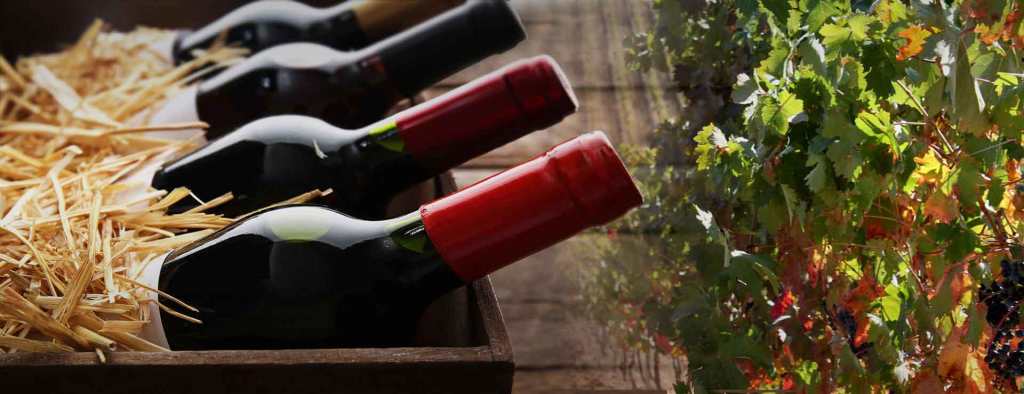
Spain has between 955 717 and 1.2 million hectares of vineyards, which makes it the country with the largest cultivated area of vineyards in the world – more than 15% of the world total – and is the third in terms of production (37.8 million hectoliters), behind Italy (48.8 million hl) and France (41.9 million hl), and ahead of the United States (22.5 million hl).
The native varieties of Spanish grapes are abundant, with more than 600 native varieties planted throughout the country, although approximately 80% of the wine produced at the national level is made with only about 20 varieties, among which are; Tempranillo, Albariño, Garnacha, Palomino, Airén, Macabeo, Parellada, Xarel·lo, Cariñena and Monastrell.
According to European regulations, wines are classified into three categories according to their level of geographical protection and the degree of demand in their manufacturing process. In Spain, the first category is divided into several subcategories: Wines with Denominación de Origen Protegida (DOP) are wines whose quality and characteristics are essentially or exclusively due to their geographical origin, with its inherent human and cultural factors. They have a quality, reputation or other specific characteristics attributable to their geographical origin. 100% of the grapes come exclusively from the geographical area of production and their production takes place within the geographical area; Vinos de la Tierra (VdlT) These are wines from and made in a defined geographical area, taking into account certain environmental and growing conditions that can give the wines specific characteristics. They have a quality, reputation or other specific characteristics attributable to their geographical origin. At least 85% of the grapes come exclusively from the geographical area; and Vinos de Mesa, which are those wines not included in any protected geographical area. These wines cannot make any geographical reference to their origin and they do not have to meet the requirements that are asked of wines from geographical areas.
Spanish wines are labeled according to how long the wine has been aging, depending on whether they are Reds or White and Rosé. Red wine less than two years old is usually called «Vino Joven»; wine with two years of aging is called «Crianza wine»; wine with three years of aging is called «Reserva wine»; and wines with 5 years of aging is called «Gran Reserva wine». The year of the harvest can also appear on the label, for which it is necessary that at least 85% of the wine has been produced in that year’s harvest.
In summary, Spain has a large number of excellent quality wines, awarded in the best world tasting competitions, and for all types of demanding palates. With Denominations of Origin as famous as Rioja, Ribera del Duero, Penedes, Rueda, Madrid, Jerez, Málaga, Toro, and a very long etc.
Varuco & GIPEX International offers the export of any of these different wines, in the different export modalities, directly from the Spanish wineries, and with the guarantee of the Wine of Spain.
 GIPEX INTERNATIONAL